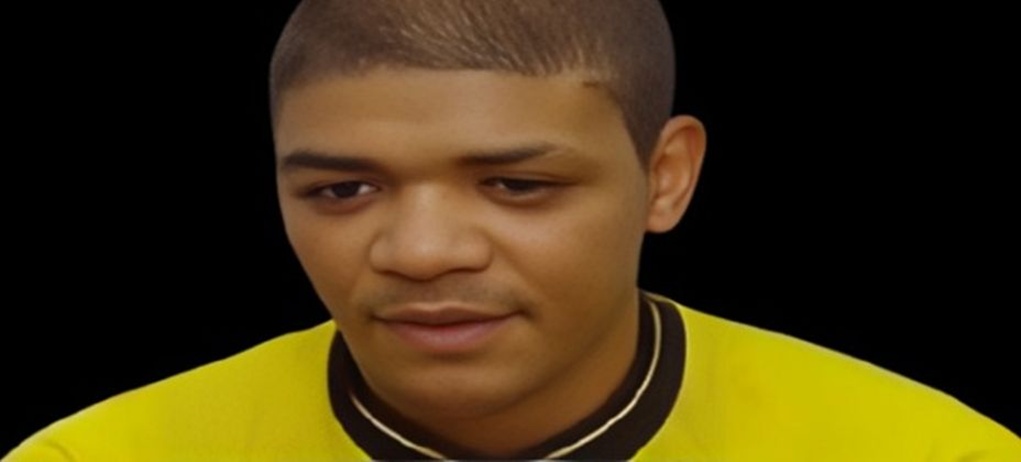
Aaron Denton Webster, born 19 December 1980, Derby, England.
PART ONE
Growing up in Derby, where the looming presence of Derby County cast a long and influential shadow over every playground kickabout and Sunday league clash, Aaron Webster’s early exposure to the game came not through glitz but through community, through muddy pitches and local coaches who saw in him a blend of determination and natural balance, and it was this grounding that shaped his outlook, instilling a quiet resilience that would later define his entire career.
Like many young hopefuls navigating the uncertain corridors of youth football, Webster’s path was not without its early setbacks, and after being released from Coventry City’s youth system—a moment that might have broken lesser spirits—he found himself at a crossroads, yet it was precisely this rejection that hardened his resolve and sharpened his hunger to prove a point.
As a result, when Burton Albion came calling in 1998, offering him a place in their youth setup at just 17 years of age, Webster seized the opportunity with both hands, stepping into a club that, at the time, existed far from the Football League spotlight but possessed a raw ambition that mirrored his own.
In the youth ranks, Webster quickly revealed himself as more than just a steady defender, for although he primarily operated as a left-back, his willingness to surge forward, to deliver crosses, and even to drift into midfield roles gave him a versatility that coaches value and opponents struggle to contain, and it was this duality—defensive discipline paired with attacking instinct—that began to set him apart.
Also, his physical presence, particularly his height and athleticism, allowed him to compete aerially and contribute in both penalty areas, and this added dimension made him a genuine asset during set-pieces, whether clearing danger or creating it, and it was not long before whispers of his potential grew louder within the club.
Consequently, his progress through the ranks was swift and decisive, culminating in his elevation to the first team during the 1998–99 season, and by September 1998, still only 17, Webster made his senior debut, stepping onto the pitch not as a prospect but as a player ready to shoulder responsibility.
That debut season saw him make 18 appearances and score once as Burton Albion finished 13th in the Southern League Premier Division, and while those numbers might seem modest on paper, they told only part of the story, for within those performances lay the early signs of a player who would go on to define an era.
Yet, the timing of his emergence proved significant, because just a month after his debut, Nigel Clough arrived as player-manager, bringing with him not only a famous surname but also a clear vision of building a side rooted in stability, discipline, and local identity, and Webster fitted that blueprint perfectly.
In contrast to the transient nature of lower-league squads, Clough sought continuity, and Webster became one of the cornerstones of that philosophy, growing alongside the ambitious club as it began its gradual ascent through the divisions.
PART TWO
As the seasons unfolded, Aaron Webster’s role expanded, and his influence deepened, and by the early 2000s he was no longer just a promising youngster but a player capable of turning games from the back.
Undoubtedly, the 2001–02 season marked a defining chapter, for Webster produced a remarkable return of 11 goals in 37 outings from a defensive position, a tally that would be impressive for a forward, let alone a left-back, and his contributions proved vital as Burton clinched the Northern Premier League Premier Division title.
Moreover, one moment from that campaign encapsulated his importance, as his crucial free-kick against Vauxhall Motors in a decisive match helped steer Burton towards promotion, a strike that combined technique, nerve, and timing in equal measure.
As a result, Burton Albion stepped up into the Football Conference, and Webster, still relatively young, found himself navigating a higher level of competition, yet he adapted seamlessly, demonstrating that his earlier exploits were no fluke but rather the product of genuine quality.
Furthermore, his consistency became his hallmark, because while others dipped in form or moved on, Webster remained, season after season, delivering performances that were as reliable as they were spirited, and this dependability earned him the admiration of supporters who saw in him a reflection of their own loyalty.
Through the mid-2000s, as Burton established themselves in the Conference National, Webster’s versatility came increasingly to the fore, and he was deployed not only at left-back but also in left midfield and occasionally in central roles, adjusting his game to suit the team’s needs without complaint. Similarly, his knack for scoring did not diminish, as he continued to pose a threat from set-pieces and open play alike, timing his runs intelligently and striking the ball with a confidence that belied his defensive designation.
Now, football is rarely a straight road, and Burton’s journey towards the Football League required patience, resilience, and a collective belief that was tested time and again, yet Webster remained a constant through it all, a steady presence amid the ebb and flow.
Thus, when the breakthrough finally came in 2009, as Burton Albion secured the Conference title and earned promotion to the Football League, it felt less like a sudden leap and more like the culmination of years of graft, and Webster stood at the heart of that success.
In addition, his performances in the Football League further underlined his enduring quality, and the 2010–11 League Two campaign saw him deliver one of the most prolific seasons of his career, scoring 13 goals in 47 appearances, numbers that reinforced his reputation as a defender with a striker’s instinct.
As it turned out, Burton consolidated their status in the league, and Webster’s contributions—both tangible and intangible—played a significant role in ensuring that the Staffordshire side did not merely survive but began to believe it belonged.
Over the course of 15 years, from 1998 to 2013, Webster amassed an astonishing 591 appearances and scored 79 goals, figures that place him among Burton Albion’s most decorated servants, and yet those statistics, impressive as they are, only hint at the deeper significance of his presence.
For he was not just a player but a symbol, a link between eras, a figure who embodied the club’s journey from non-league obscurity to Football League credibility, and in doing so, he etched his name into the fabric of Burton Albion. But all careers, no matter how enduring, eventually reach their twilight, and in 2013, Webster departed Burton, bringing to a close a chapter that had defined both him and the club.
In contrast to the high-intensity demands of league football, his subsequent moves to Ilkeston FC and Mickleover Sports reflected a desire to remain connected to the game while balancing other aspects of life, and during the 2013–14 season, he continued to showcase his quality with 8 goals in 22 appearances for Ilkeston.
Now approaching his mid-30s, his stint at Mickleover Sports added another layer to his post-Burton journey, contributing 4 goals in 15 appearances as the team pursued promotion, and although these were smaller stages, Webster’s commitment remained unchanged.
Similarly, his move to Basford United in 2014 saw him maintain his productivity, scoring 4 goals in 16 appearances during the 2014–15 season, yet by this point, the rhythm of his career was shifting, gradually easing towards its conclusion.
Thus, after these final spells, Webster largely stepped away from competitive senior football, and although he briefly returned in 2018 with Stapenhill, it effectively marked the end of his playing days, closing the curtain on a career defined not by fleeting brilliance but by sustained excellence.
PART THREE
Stepping off the pitch did not mean stepping away from the game, and in December 2017, Webster took his first steps into management with Belper Town, embarking on a new challenge that tested him in different ways.
Management proved a tougher arena, however, and despite his efforts alongside assistant Lee Williamson, Belper Town struggled for consistency during the 2017–18 season, securing only five wins in 25 matches and finishing in 16th place. As a result, defensive frailties emerged, culminating in a difficult run of six consecutive defeats in which 25 goals were conceded, and despite Webster’s attempts to instil resilience and discipline, the results did not follow.
Moreover, his emphasis on youth development, bringing in loan players such as Jack Hallahan and Jack Livesey, reflected a long-term vision but clashed with the immediate demands of results, creating a tension that proved difficult to resolve.
Consequently, in April 2018, Webster’s tenure came to an end, as the club opted for a change in direction, and while the experience was undoubtedly challenging, it added another dimension to his understanding of the game. Yet, if management brought its frustrations, his return to Burton Albion in a coaching and community capacity offered a more natural fit, allowing him to channel his experience into nurturing the next generation.
From 2015 to 2020, his role within the Burton Albion Community Trust saw him oversee football and education programmes, blending athletic development with academic support, and in doing so, he helped shape young players not just as footballers but as individuals.
Furthermore, his continued involvement with the club’s academy, particularly in player care and welfare, highlighted his commitment to holistic development, ensuring that young talents received guidance both on and off the pitch.
Similarly, his work as a commentator for BBC Radio Derby allowed him to share his insights with a wider audience, bringing the perspective of a seasoned professional to the analysis of the game he knows so well.
In recognition of his immense contribution, Webster was inducted into Burton Albion’s Hall of Fame in May 2019, becoming only the second member, and it was a fitting tribute to a man whose career had become inseparable from the club’s identity.