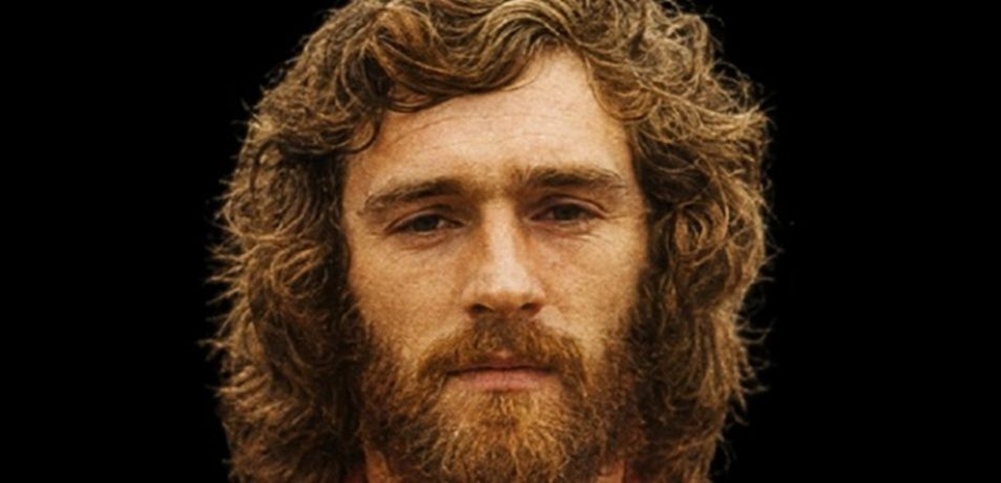
Barrie Edward Fairbrother, born 30 December, 1950, London, England.
PART ONE
Barrie Fairbrother came through the youth ranks at Leyton Orient during a period when the club relied heavily on developing young players capable of progressing into the first team. Orient’s youth and reserve sides provided an important proving ground for ambitious youngsters hoping to make the transition into professional football, and Fairbrother quickly established a reputation as an attacking player with pace, intelligent movement and a natural eye for the back of the goal.
Reserve football during the late 1960s was fiercely competitive, often featuring experienced professionals returning from injury alongside promising youngsters seeking promotion to the senior squad, and Fairbrother benefited from that demanding environment as he refined the attributes that would eventually carry him into first-team football. Coaches recognised his ability to operate across the forward line and valued the energy which he brought to attacking situations, while regular appearances at youth and reserve level steadily moved him closer to a senior opportunity.
The breakthrough arrived during the 1969-70 season when, still only eighteen years old, he entered the first-team picture at Brisbane Road. Fairbrother made his professional debut on 9 August 1969 in a 3-0 Division Three victory away to Rochdale, giving him an immediate taste of Football League football as Orient launched a campaign that would become one of the most successful in the club’s modern history. Three weeks later, on 30 August, he scored his first senior goal in a 1-0 home victory over Mansfield Town, a strike that announced his arrival at first-team level and provided further evidence that the club’s faith in youth development was being rewarded. Young forwards often require time to settle into senior football, yet Fairbrother adapted quickly to the pace and physical demands of Third Division competition, and as the season progressed he became an increasingly important figure within a side chasing promotion.
Leyton Orient enjoyed an outstanding campaign and ultimately secured the Division Three championship. The title race remained competitive throughout much of the season, but Orient consistently accumulated points and gradually established themselves as the strongest side in the division. Fairbrother contributed thirteen league goals, an impressive return for a teenager experiencing his first full season in professional football. Only Mickey Bullock, who scored nineteen times, found the net more frequently for the club. Those goals proved valuable in helping Orient finish on sixty-two points, two ahead of Luton Town, and secure promotion to the Second Division. For Fairbrother personally, the season represented an ideal introduction to senior football. He was not merely a young player making occasional appearances in a struggling side; he was a regular contributor to a championship-winning team and was already demonstrating the qualities that would define much of his football over the following years.
Promotion brought new challenges. The Second Division contained stronger opponents, more experienced defenders and clubs with ambitions of reaching the top flight, meaning there was little margin for complacency. Fairbrother nevertheless established himself as a regular member of the Orient attack and continued developing his game. His versatility became increasingly valuable because he could operate through the middle as a striker or drift into wider positions when tactical circumstances required it. Opponents discovered that his pace made him difficult to contain in open spaces, while his willingness to make intelligent runs created opportunities both for himself and his teammates. Orient’s adjustment to life in the higher division required contributions throughout the squad, and Fairbrother’s reliability ensured he remained an important figure within the team.
The early years of the 1970s saw him become one of the most familiar names on the Orient teamsheet. Season after season he accumulated appearances, goals and experience while helping the club compete in a demanding division. Football supporters often remember spectacular moments more vividly than consistent performances, yet much of Fairbrother’s value came through his ability to contribute regularly over a prolonged period. Managers knew they could depend on him, teammates understood his movement and supporters appreciated the effort he brought to every match. His tally of appearances steadily increased, and by the middle of the decade he had become one of the established figures within the squad rather than the promising youngster who had burst into the side during the title-winning campaign.
One of the most memorable moments of his time at Leyton Orient arrived in the FA Cup during the 1971-72 season. Cup football frequently produces results that remain embedded in a club’s history long after league campaigns have faded from memory, and Orient supporters received such a moment on 26 February 1972 when Chelsea arrived for a fifth-round tie. Chelsea were one of the biggest clubs in the country and entered the match as favourites, yet cup competitions rarely follow expectations with complete obedience. Orient produced an outstanding performance and secured a famous 3-2 victory. Fairbrother scored the winning goal, ensuring his name would forever be associated with one of the club’s most celebrated FA Cup results. For a player who had emerged from the youth system only a short time earlier, deciding a cup tie against Chelsea represented another significant milestone.
The seasons that followed brought continued service for Leyton Orient as Fairbrother accumulated appearances and goals in the Second Division. The club worked hard to establish itself at that level and frequently found itself competing against ambitious opponents with larger budgets and bigger support bases. Fairbrother remained an important attacking option throughout this period, combining consistency with versatility and continuing to contribute in front of goal. While some players experience brief bursts of success before fading from prominence, he maintained his position within the squad year after year and became one of the club’s most dependable performers. By the time the 1973-74 season arrived, he had already spent several years as a first-team regular and was entering the most experienced stage of his time at Brisbane Road.
The 1973-74 campaign proved particularly competitive in the Second Division. Middlesbrough dominated the promotion race and secured the championship with room to spare, finishing fifteen points clear of second-placed Luton. Carlisle United claimed the final promotion place and reached the First Division for the first time in their history. Orient remained firmly involved in the contest for much of the season and came agonisingly close to joining them. When the final table was completed, promotion had slipped away by a single point. Nottingham Forest, Sunderland and West Bromwich Albion were also left frustrated, but Orient supporters could reasonably argue that their side had been within touching distance of a place among English football’s elite. Fairbrother played his part throughout the campaign, contributing to a team that competed strongly against some of the biggest clubs outside Division One and came closer than many observers expected to achieving promotion.
By the summer of 1975, Fairbrother had accumulated 188 league appearances and 41 goals for Leyton Orient. Those figures reflected both longevity and consistency. Few youth-team products manage to establish themselves so thoroughly within a club’s first team, yet Fairbrother had progressed from academy football to become a recognised senior player over six years of service. Change arrived on 17 July 1975 when he joined Millwall in a part-exchange arrangement that saw Doug Allder move in the opposite direction. Transfers between London clubs often attract attention because supporters become familiar with players over many years, and Fairbrother’s departure marked the end of a significant association with Orient. He left having played a role in a Division Three championship triumph, a memorable FA Cup victory over Chelsea and several competitive Second Division campaigns.
PART TWO
Millwall offered a fresh challenge but circumstances proved very different from those he had experienced at Orient. Opportunities were more limited and establishing a regular place became increasingly difficult. During his two seasons with the club he made fifteen league appearances and scored once, while his total involvement across all competitions amounted to sixteen starts and seven substitute appearances. Competition for attacking places restricted his opportunities and prevented him from enjoying the consistent run of matches that had characterised much of his time at Leyton Orient. Millwall were also experiencing a period of transition under Gordon Jago and later Benny Fenton, creating an environment where squad changes were frequent and stability sometimes difficult to achieve.
Results on the pitch added to the challenges. Millwall struggled to maintain their position and ultimately suffered relegation from the Second Division at the conclusion of the 1976-77 season. Fairbrother’s role remained largely that of a supporting squad member rather than a guaranteed starter, and although he continued working hard whenever selected, the move never developed in the same way his years at Leyton Orient had done. Football can change quickly, particularly when managers alter tactical approaches or seek different qualities from their forwards, and by the end of the season it became clear that a new direction was likely for both player and club.
The expiration of his contract in 1977 coincided with an intriguing development in Australian football. The National Soccer League had just been established, creating the country’s first national competition and attracting players from Britain and Europe eager to continue their football elsewhere. Fairbrother decided to take that opportunity and emigrated to Australia at the age of twenty-six. The move represented a significant change in both professional and personal terms. Leaving London for Melbourne meant adapting to a different climate, a different football culture and a different pace of life. Australian football during the late 1970s remained heavily influenced by community-based clubs and lacked many of the resources associated with the English Football League, yet it offered experienced imports the chance to continue playing while helping develop the sport in a rapidly changing environment.
His first Australian club was Mooroolbark, who entered the inaugural National Soccer League season in 1977. Fairbrother arrived with the experience of nearly two hundred Football League appearances and immediately became one of the more recognisable players within the squad. Mooroolbark struggled throughout the campaign and ultimately finished bottom of the fourteen-team competition, but Fairbrother nevertheless contributed three goals in twelve appearances. The season proved challenging because the club found it difficult to compete consistently against stronger opponents, yet it also provided him with an introduction to Australian football and allowed him to establish himself within the emerging national competition.
A move to Queensland Lions followed in 1978 and brought greater stability. Based in Brisbane, the club offered a fresh environment and a more competitive platform. Fairbrother integrated into a squad containing players such as Alan Hughes and Jim Hermiston and contributed five goals in nineteen appearances across league and cup competitions. One of those goals arrived during a 7-0 NSL Cup victory over Annerley, helping the Lions progress before their eventual elimination against Brisbane City. The club finished sixth in the league, recording eight wins, ten draws and eight defeats, a respectable outcome that placed them comfortably above several rivals and demonstrated progress within the competition.
The following season saw Fairbrother remain an important attacking option. He appeared in eighteen matches and scored four league goals while Queensland Lions attempted to build upon their previous campaign. Results proved less consistent and the club finished ninth, but Fairbrother continued contributing valuable experience to a squad balancing youth and established players. Australian football was still finding its identity at national level, and experienced imports played an important role in raising standards while also helping younger teammates develop. His two seasons with Queensland Lions produced thirty-seven appearances and nine goals, respectable figures that reflected a useful contribution during the formative years of the National Soccer League.
By 1980, after more than a decade in senior football spanning England and Australia, Fairbrother decided to retire from playing. His record included a Division Three championship with Leyton Orient, a famous FA Cup victory over Chelsea, nearly two hundred league appearances for Orient, further Football League football with Millwall and involvement in the early years of Australia’s national competition. And when his time with Queensland Lions came to an end, so did his footballing days.